Confucius said: “I hear and I forget. I see and I remember. I do and I understand.”
I’ve been wrapping up my 2026 annual planning and one theme kept popping up: wanting to get more hands-on with modern AI tools, especially Cursor and Claude Code.
I love Notion, and it’s still where I do most of my thinking and writing. But I also wanted to understand how these tools can work together.
I don't write code for a living, and the last time I played around with frontend web development was for my Myspace page. What really matters in my job is using the tools at my disposal to solve problems.
So I decided to not overcomplicate things and just started building my own personal website.
The First Prompt
One evening during Christmas break, I opened up Cursor, selected Claude Opus 4.5 as my model of choice, and prompted: “build me a custom website landing page.”
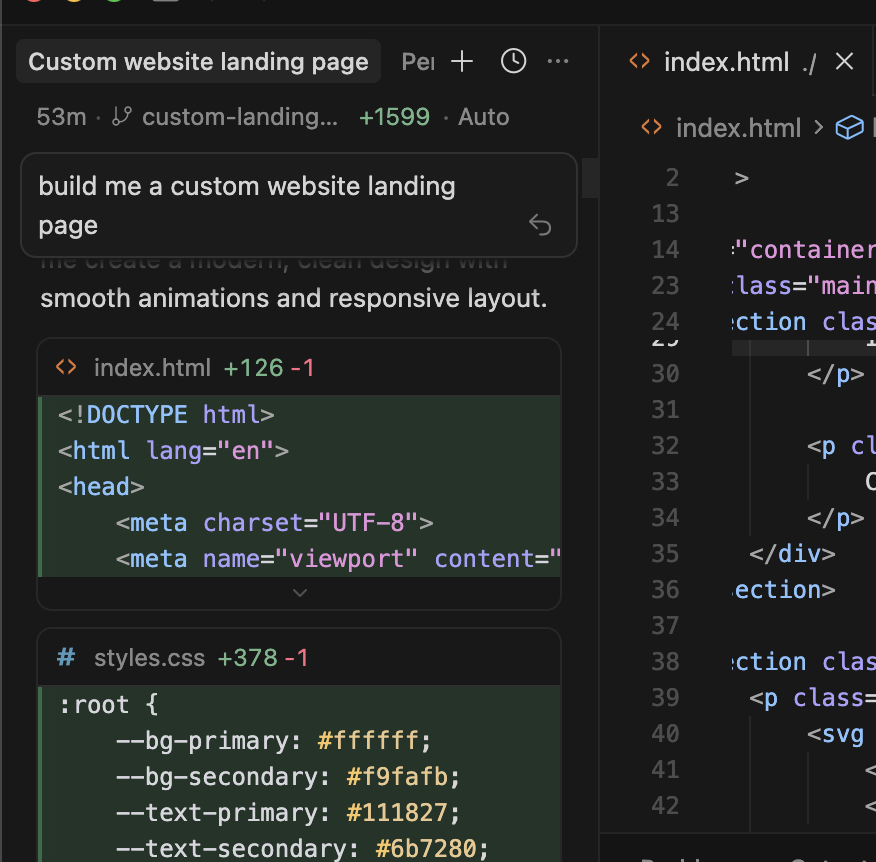
A full site showed up: HTML, CSS, JavaScript, responsive design, dark mode, animations. A few hours later, trankhiet.com was live.
With a limited development background, it was a genuinely mind-blowing jump: a single prompt → a real website on the internet.
AI Gives You Capability. Taste Makes It Yours.
AI makes shipping fast. Taste is what makes it good.
Cursor gave me a strong foundation instantly. But everything that made it feel like mine came after: accent colors, typography, spacing, and the small personal touches that walk the line between tasteful and too much.
At one point I considered adding a more visual, animated experience. Then I realized I’m not trying to build anything flashy. I’m building a clean place to write and publish. Simple is the point.

Software design is still unexplored territory for me. I don’t know the rules, the principles, or the best practices. But this project gave me a deeper respect for the designers, engineers, and product managers who do.
There’s real craft in making something feel right. In knowing when to add, when to remove, and when to nudge a single pixel. AI can write code, but it can’t tell you what feels like you.
If anyone can generate an app, taste becomes the differentiator.
Getting Hands On With Notion’s API
Once the site felt right visually, the next design question wasn’t about pixels. It was about process. Where should the writing live, and how could publishing feel just as intentional as the site itself?
In the first iteration I planned to write my content where I already spend the most time today, Notion. Then the plan would be to turn the post into HTML and push the code to the website. This worked, but was it the best way?
One of my favorite moments in this process was asking Cursor a simple question: “How can I make this process better?”
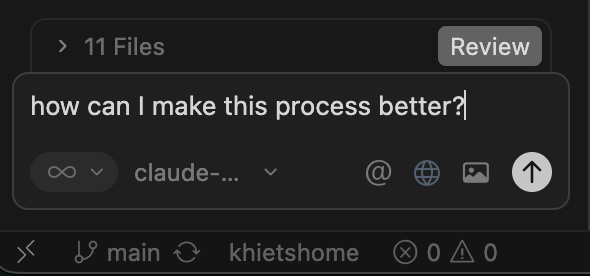
The suggestion clicked immediately: if my writing already lives in Notion, why not let Notion be the source of truth?
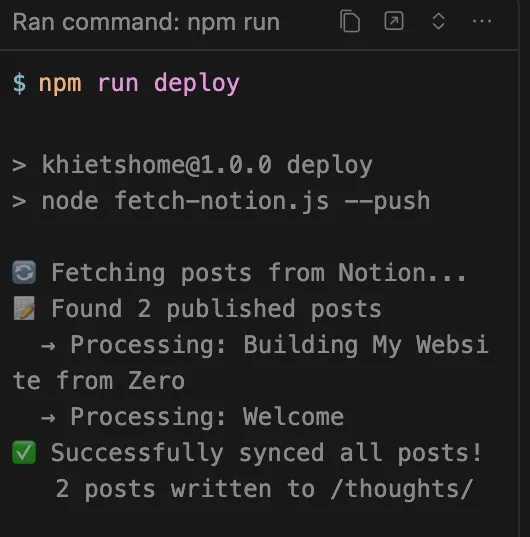
That meant using Notion’s API to treat Notion as my CMS, pull published posts, and convert Notion blocks into HTML.
With Cursor’s help, I wrote a script that:
- Fetches my published posts
- Converts Notion blocks to HTML
- Generates pages that match my site’s design
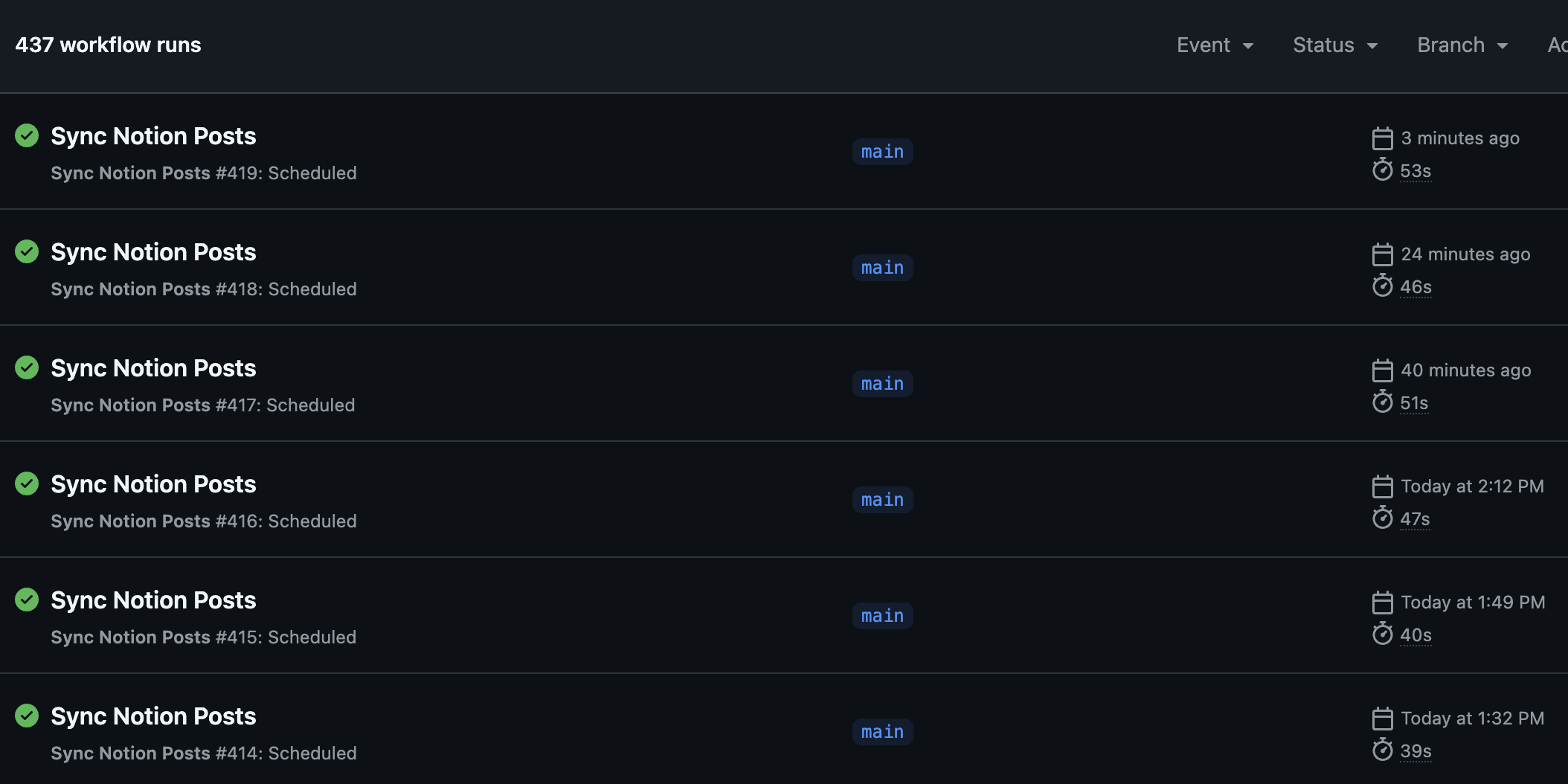
I then set up an action in Github that automatically runs the script to fetch and sync the Notion posts for me intermittently:
Now the workflow is clean and simple:
- I write in Notion.
- The script runs automatically.
- The site updates and publishes my content.
A Quick Detour Into Analytics
At this point I felt pretty good about the visual design of the website, as well as the content creation workflow. I suddenly had an idea — what if I set up analytics to be able track engagement with my website? I’m not expecting heavy traffic (kudos to you if you’re one of the few people reading this), however this could be another fun exercise to get hands on with.
So I signed up for a free Amplitude account (shoutout to my friends at AMPL), and deployed the Browser SDK onto trankhiet.com. Again, using Cursor to help with the process.
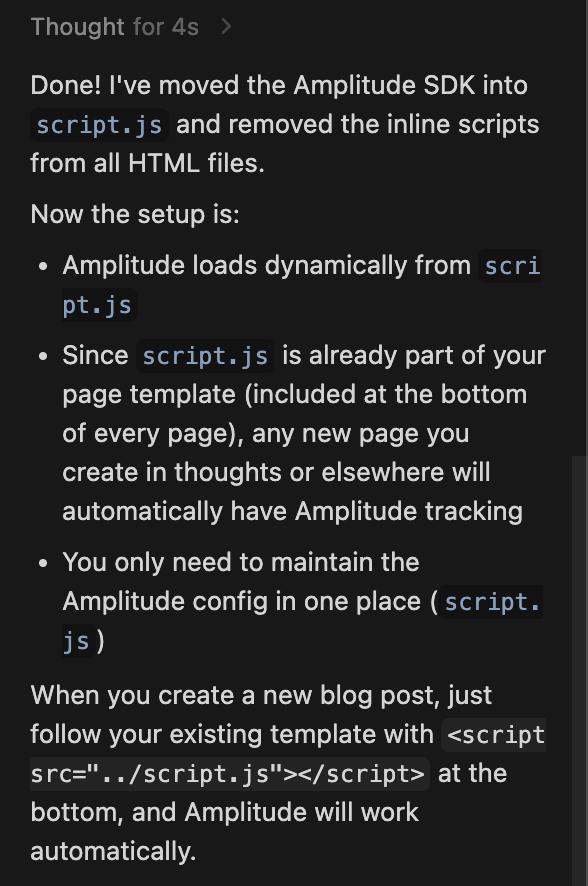
I’m not exaggerating when I say this took less than 30 seconds. In under a minute, I had functioning insights into the traffic and engagement of my personal website.
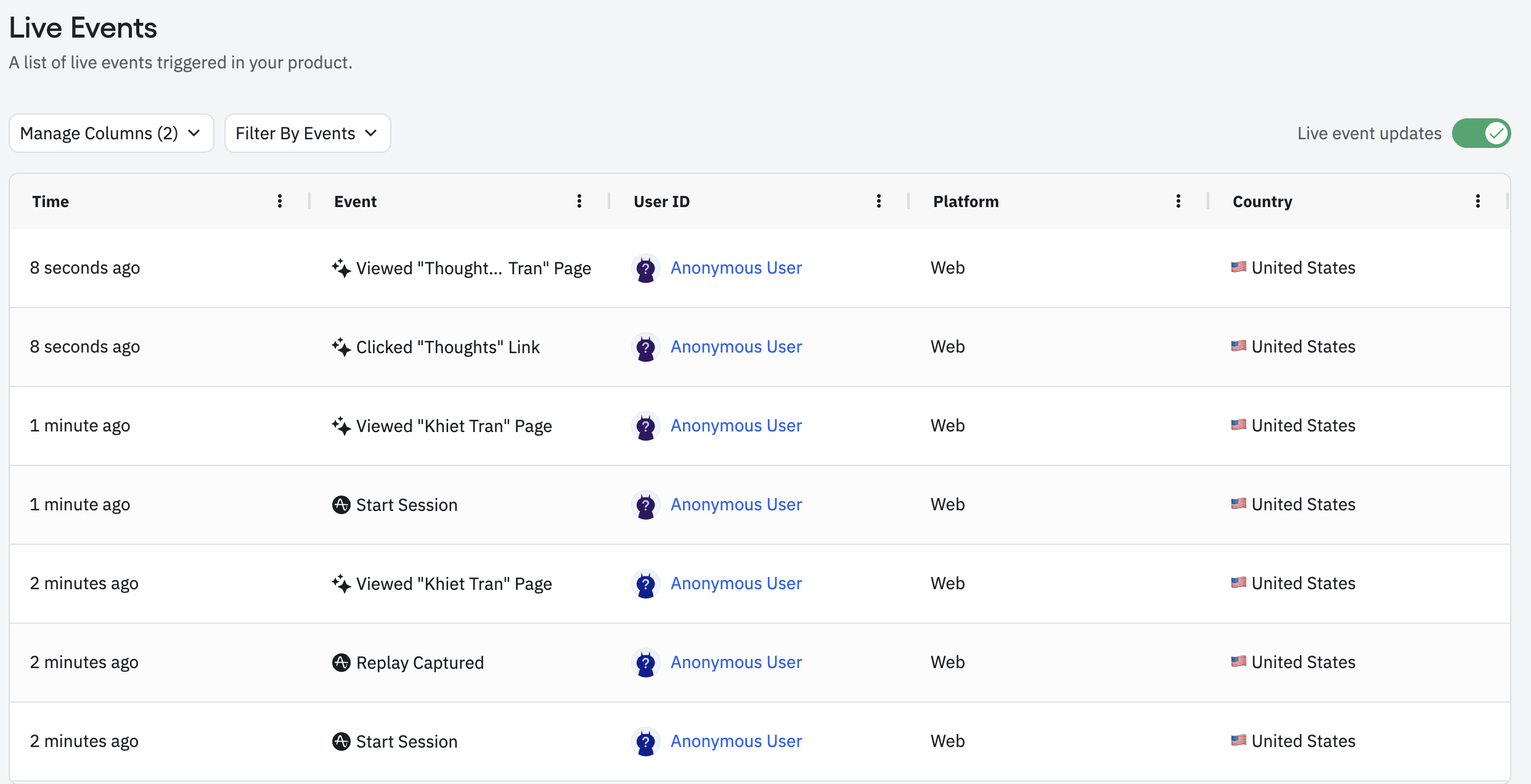
In my previously role I used to speak every single day about how easy it was to get analytics up and running. It was a pretty cool experience getting to practice what I preached for something so personal to me. Always sell a product you truly believe in!
Conclusion
I now have a clean place to share my thoughts, and more importantly, a project that forced me to learn by doing. You learn faster when you’re forced to make real decisions.
Tinkering is ridiculously fun, taste and judgement matter more than ever, and AI has democratized technical ability. This means the bar will be higher than ever, and the rising bar is exactly what makes the future exciting.